
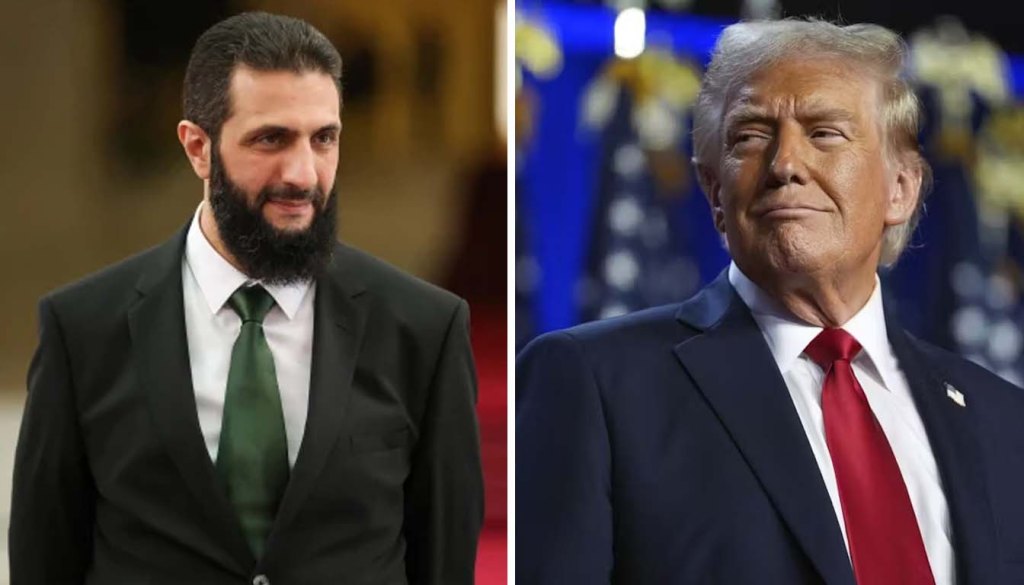
In a significant diplomatic gesture, former U.S. President Donald Trump recently met with Syrian government official, Walid al-Sharaa. This meeting, which took place under the backdrop of ongoing tensions in the Middle East, has far-reaching implications for the region, especially in terms of business, geopolitics, and global trade. As the political landscape shifts, businesses and investors alike are closely monitoring how these discussions could affect regional stability and economic opportunities.
Syria: A History of Chaos, But a New Path Forward
But Syria? The country has endured more than a decade of absolute chaos. Civil war. A brutal regime. ISIS. Al-Qaeda factions. Proxy wars with Iran, Russia, the U.S., and Turkey. Even internal ethnic and sectarian battles. The Syrian people have been caught between monsters on all sides, and somehow, they are still standing. Despite all the devastation, the leadership of figures like Walid al-Sharaa brings a different tone to the table — one of maturity, clarity, and vision for stability.
The Leadership of Al-Sharaa: Depth and Resilience
Al-Sharaa’s leadership is a testament to the strength and wisdom that comes from enduring such profound hardship. Unlike many who emerge from turmoil with bitterness or an aggressive victimhood narrative, he has remained composed, focused, and dedicated to rebuilding. Instead of harboring resentment, he brings a powerful message of survival and progress: “We suffered, we endured, and now we rise.” This philosophy has the potential to inspire not just Syrians, but the broader region, as it demonstrates leadership that is focused on long-term recovery and stability.
This unique perspective is crucial as Syria looks toward its reconstruction and future role in the Middle East. His approach could set the tone for a more sustainable, peaceful resolution in the region, potentially paving the way for future business relationships and investments.
The Potential Economic Impact:
Any shift in U.S. policy could bring significant changes to Syria’s economic future. The country is poised for rebuilding, and industries such as construction, telecommunications, and energy could see new opportunities with a possible thaw in U.S.-Syria relations. This offers a window for international companies that were previously unable to enter the Syrian market due to political and economic barriers.
For businesses, this period of reconstruction presents potential opportunities in infrastructure development, oil and gas, and the technology sector. With a more stable leadership, there’s a possibility for businesses to enter the market with lower risks and more favorable conditions.
The Sanctions Question: Could This Be the Turning Point?
A crucial element in this equation is the long-standing U.S. sanctions on Syria — sanctions that have effectively frozen any meaningful economic engagement between Syria and the broader global market. If Trump’s meeting with Al-Sharaa signals a shift in diplomatic tone, it could be the early sign of a strategic reevaluation of those sanctions.
Lifting or even easing them would be a seismic development for Syria’s economy. It would open the floodgates for international investment, aid, and trade — especially in vital sectors like infrastructure, agriculture, and energy. For American businesses, it would mark the first real opportunity in over a decade to enter a virgin market hungry for rebuilding and modernization.
But more importantly, it would symbolize a recognition that Syria’s future is no longer chained to its past. It would send a message that stability, reform, and resilience are being rewarded — not punished — on the world stage.
Trump’s meeting with Walid al-Sharaa is more than just a diplomatic milestone — it could represent a new chapter for Syria and the Middle East. The strength and wisdom demonstrated by Al-Sharaa offer a powerful message for regional stability, and if this leads to improved diplomatic relations, businesses may see new opportunities emerge in Syria and the broader Middle Eastern market. The coming months will reveal if this shift leads to tangible economic growth or if the complexities of the region continue to challenge these ambitions.
 TUBE TROVE: The Ultimate Business Explorer
Leave a comment